Cajón in worship: sounds, patterns and how to mic it
How to play cajón on a worship team: the two strokes that carry everything, patterns by song type, dynamics without cymbals, and how to mic it.
In this article7 sections
Short answer: the cajón accompanies worship with two strokes: the bass tone (palm in the middle of the front) works as the kick and the slap (fingers at the top corner) works as the snare. Bass on one and three, slap on two and four covers almost the whole repertoire. The song grows through density, not volume: from brushes to hands, from quarter notes to eighths, and a shaker for the top end cymbals would otherwise give. At the desk, one mic at the rear port for the low end and, if needed, another in front for the slap.
In the guide to drums in a small church we saw that, in rooms under a hundred people, a cajón often does more for the service than a full kit. This guide is about getting the most out of it: what to play, how to grow a song without cymbals, and how to get it to the desk so it’s heard without booming.
Which strokes do you need?
Two, and the rest is decoration:
| Stroke | Where and how | What it does in the band |
|---|---|---|
| Bass tone | Relaxed palm in the middle of the front, slightly above center; the hand bounces | The kick: marks the strong beat |
| Slap | Loose fingers at the top corner, wrist relaxed | The snare: the backbeat the congregation follows |
| Ghost note | Fingertips, very soft, between strokes | Fills the pulse; barely heard but felt |
| Mid tone | Flat hand between center and edge | A variation on the bass tone in longer patterns |
The beginner’s mistake is hitting hard to make it sound. The cajón sounds through technique, not force: a loose-fingered slap cuts more than a full-hand hit, and tires you less over a long service.
Which pattern for each kind of song?
- Slow, worshipful: bass on one, nothing else, or brushes swept across the front. Often the best move is to come in on the second verse.
- Mid-tempo: bass on one and three, slap on two and four. This is the base pattern and covers most congregational songs.
- Up-tempo: the same pattern with ghost-note eighths in between, plus an extra bass tone before three. If there’s a second percussionist, give them a shaker.
- Six-eight (hymns, some ballads): bass on one, slap on four, ghost notes on the rest.
How does a song grow without cymbals?
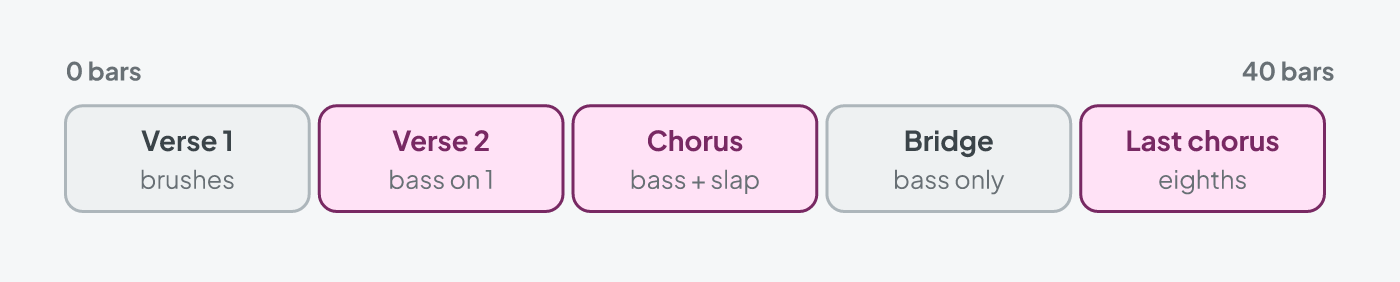
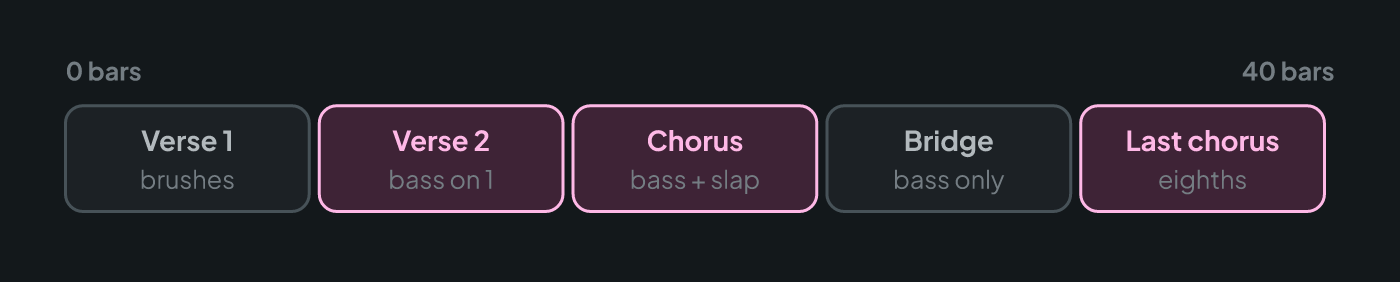
The cajón has no open cymbal to mark the chorus the way a drum kit does, so growth is built from other tools:
- Tools: brushes or soft palms in the verse, hands in the chorus.
- Density: quarter notes in the verse, eighths in the last chorus.
- Ghost notes: few at first, more as the song builds.
- Added top end: a shaker, a tambourine or a jingle pedal strapped to the foot gives the brightness cymbals would.
- Silence: stopping for a bar before the last chorus and coming back in with the full pattern says more than any volume increase.
How do you get the cajón to the desk?
In small rooms, you often don’t need a mic: the cajón carries fine acoustically. When the room is bigger or it needs to go to the team’s in-ears, one or two mics:
- Back, at the port: a kick mic or a dynamic a few centimeters from the hole picks up the low end. It’s the mic that adds the most.
- Front, high: a snare dynamic or a condenser aimed at the top corner of the playing surface picks up the slap and wires. Watch out for the player’s knees blocking it.
- Only one: if you only have one channel free, use the back one. The slap usually carries through the air; the low end doesn’t.
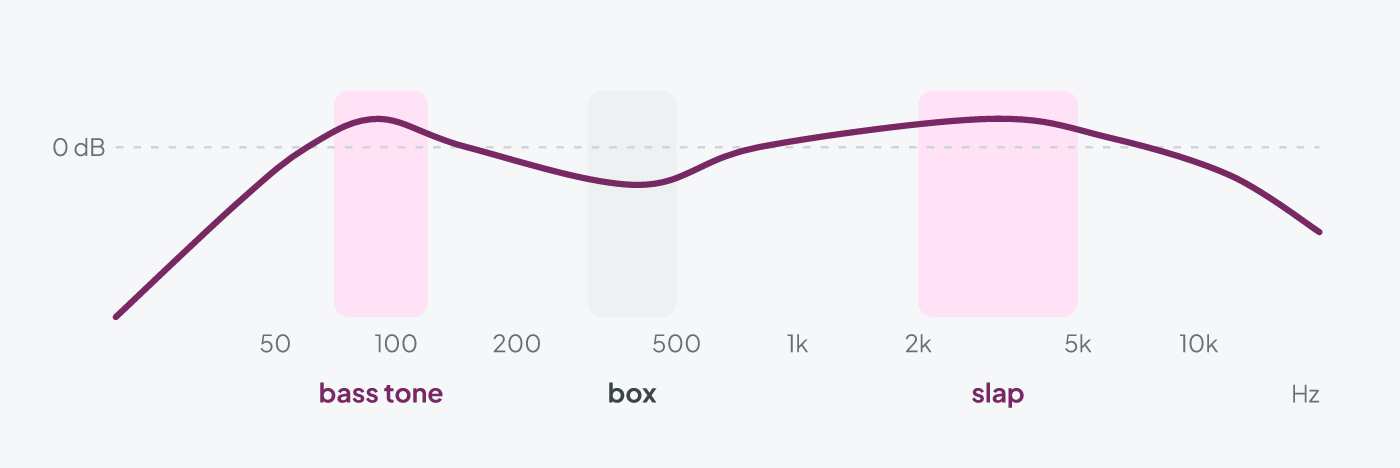
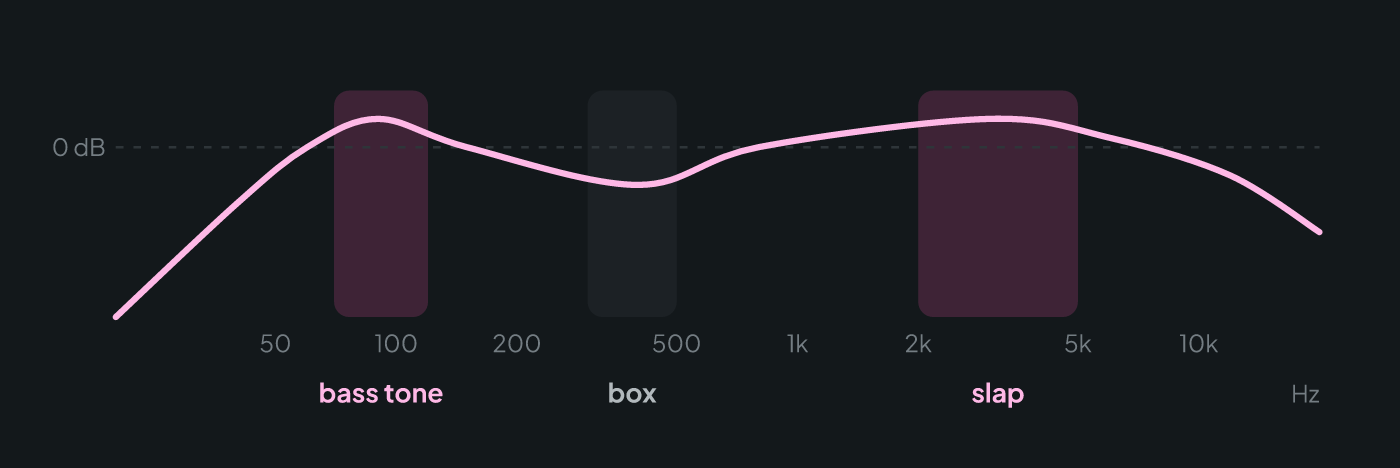
If the cajón goes into a small mixing desk alongside a bass, remember that the cajón’s bass tone and the bass guitar share the same floor: what we covered about kick and bass in the rhythm section guide applies here too.
Which cajón suits a church?
- With snare wires (flamenco or “snare” cajón): the slap sounds like a snare drum. The most versatile for worship.
- Without wires: drier and deeper, good for ballads and acoustic sets.
- Adjustable wires: loosen or tighten them per song; worth it if there’s only one cajón for everything.
- Size: a standard one is enough. If the player is very tall or very short, have them try it seated before buying: posture matters more than the model.
Common cajón mistakes
- Playing hard to be heard. It’s tiring, sounds worse and covers the congregation. That’s what the mic is for.
- Playing every song with the same pattern. The cajón has fewer colors than a drum kit, so use all of them.
- Blocking the port against a wall or riser. The low end comes out the back: leave space, or put the mic there.
- Forgetting the top end. Without cymbals or a shaker, fast songs sound dull.
- Miking only the front. You lose exactly the low end, which is what makes the cajón a kick drum.
Frequently asked questions
What do you need to play on cajón to accompany worship?
Two strokes to start with: the bass tone (palm in the middle of the front, slightly above center) works as the kick, and the slap (loose fingers at the top corner) works as the snare. With bass on one and three and slap on two and four, you can accompany almost the entire congregational repertoire. Ghost notes, embellishments and brushes come later.
How do you mic a cajón?
With one or two mics. The one that matters most is at the back, at the port (the rear hole), using a kick mic or a dynamic: it picks up the low end. If the room needs more definition, a second mic in front, aimed at the top of the playing surface, picks up the slap and the snare wires. In small rooms the back mic alone is often enough, or none at all.
Does the cajón work for high-energy songs?
It does, but you change tools: instead of volume and cymbals, more density (eighth notes on the slap, more ghost notes), a shaker or tambourine for the top end, and a firmer bass tone. If the repertoire is mostly modern and high-energy, the cajón falls short, and it's worth considering a tamed acoustic kit or an electronic one.